

5º Action - Citizen Science
SchoolFaN aims to equip teachers with tools and strategies to tackle climate misinformation in the classroom. The project has followed a structured approach: analysing school contexts, developing educational resources, organising training for teachers and, ultimately, launching a citizen science initiative with pupils.
The citizen science phase of the SchoolFan project focuses on implementation and direct evaluation in secondary schools in Portugal, Spain, France and Greece. The primary objective of this stage is to empower teachers to apply an innovative approach in their classrooms, enabling students to act as citizen scientists capable of reporting on, analysing and debunking fake news related to climate change. This phase seeks not only to combat misinformation, but also to strengthen young people’s digital, scientific and civic skills, fostering the critical thinking essential for addressing complex social issues.
Between January and March 2026, this initiative was carried out in 32 secondary school classes across four countries — Portugal, Spain, Greece and France — involving approximately 350 students.

4º Action - Training for teachers
In line with SchoolFaN’s objectives, our mission was to engage students from four countries (France, Greece, Portugal and Spain) in a citizen science project. The students were tasked with identifying fake news about climate change on social media (TikTok, YouTube and Instagram) and sharing this information with fact-checkers. Based on the results of the curriculum analysis (Action 2), which provided us with useful information on school subjects and topics related to climate change in each country, as well as on teachers’ needs, as described during the focus group research (Action 3), we developed educational material on climate change, the recognition and debunking of fake news, and citizen science, which was reviewed by all partners. This educational material was designed in PPT format for teacher training and for teachers to use in their classrooms. The material was suitable for training and includes notes for the trainer or teacher, as well as links to other projects where teachers and students can find further information if they wish.
To help teachers familiarise themselves with the project and its educational materials, we organised a training session for teachers. Following a call for applications aimed at teachers interested in participating in the project, teachers from each country voluntarily took part in a short training session, the duration of which varied depending on local restrictions or teachers’ availability, and which was conducted in person or via WebEx, Zoom, etc. The effectiveness of the teacher training was assessed through pre- and post-tests for the teachers.
3º Action - Focus Group
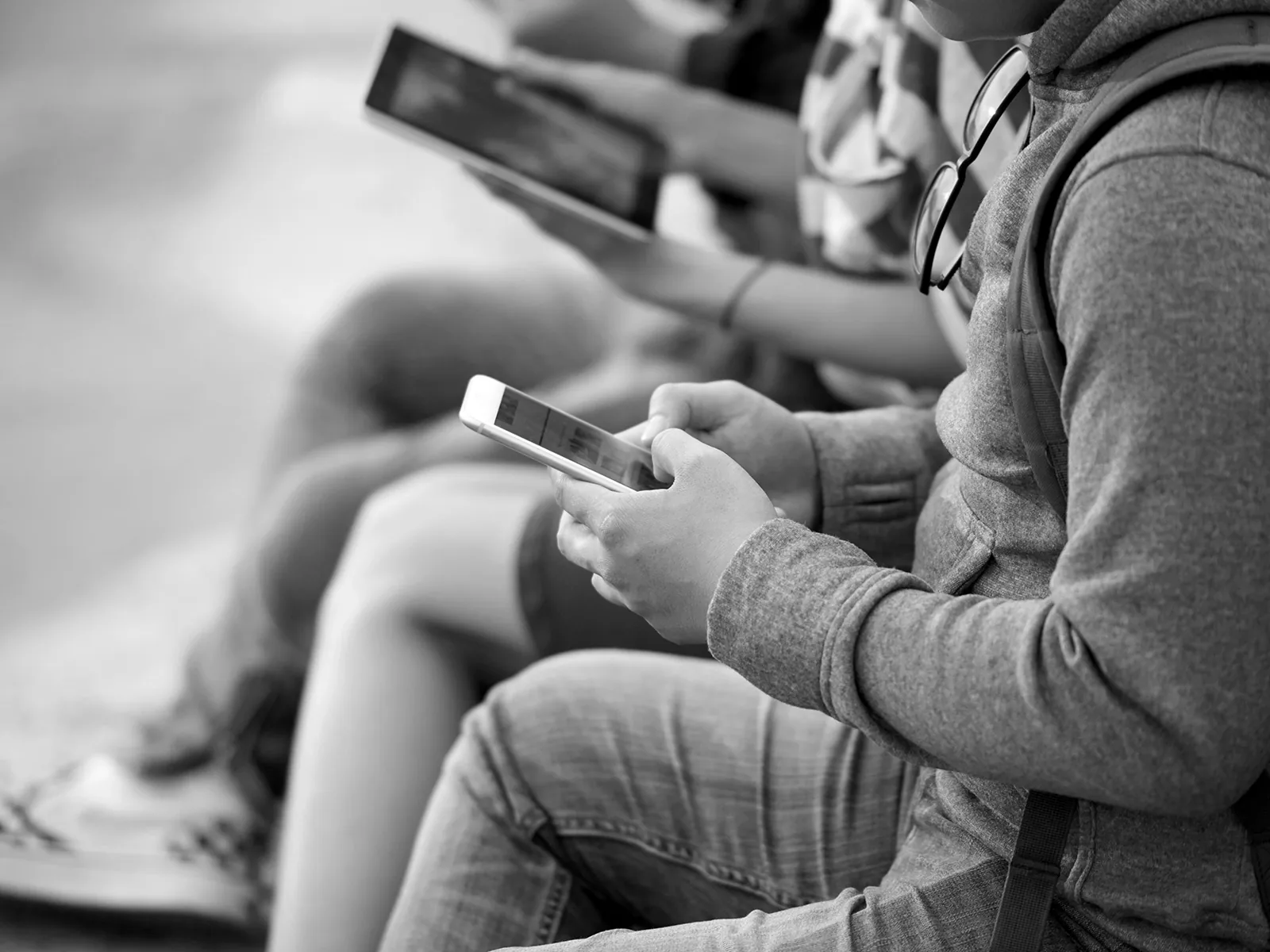
The spread of misinformation about climate change through social media is a growing challenge. Misinformation about climate change is pervasive, distorts public understanding and undermines urgent climate action, and has a worrisome effect on young people who frequently encounter unverified information online. To navigate the digital world critically and responsibly, students require foundational knowledge, digital skills and critical thinking. Education systems, especially in Europe, must adapt to foster a new generation of informed, environmentally conscious, responsible individuals, and digitally literate individuals (European Commission, 2021; European Union, 2022).
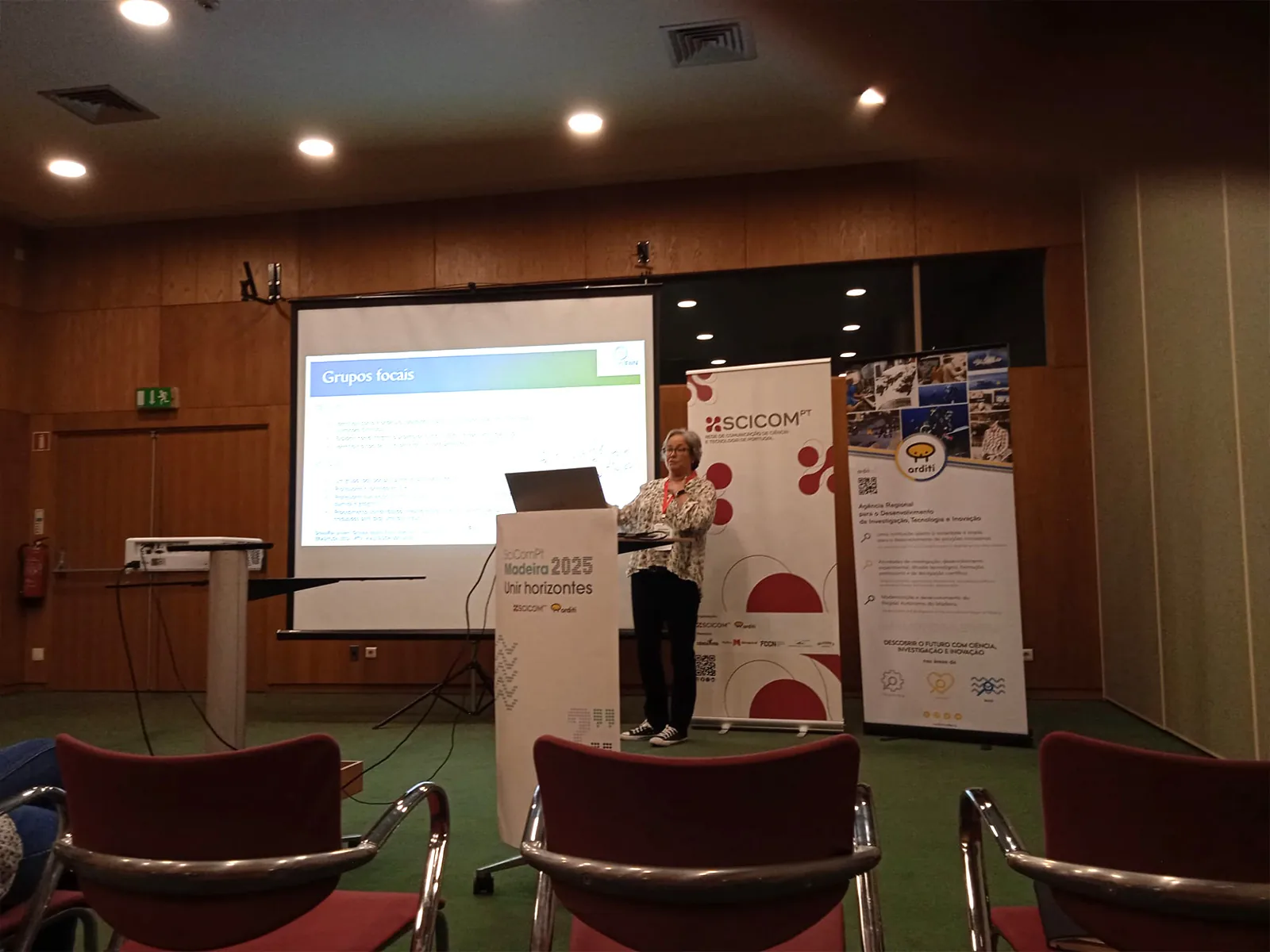
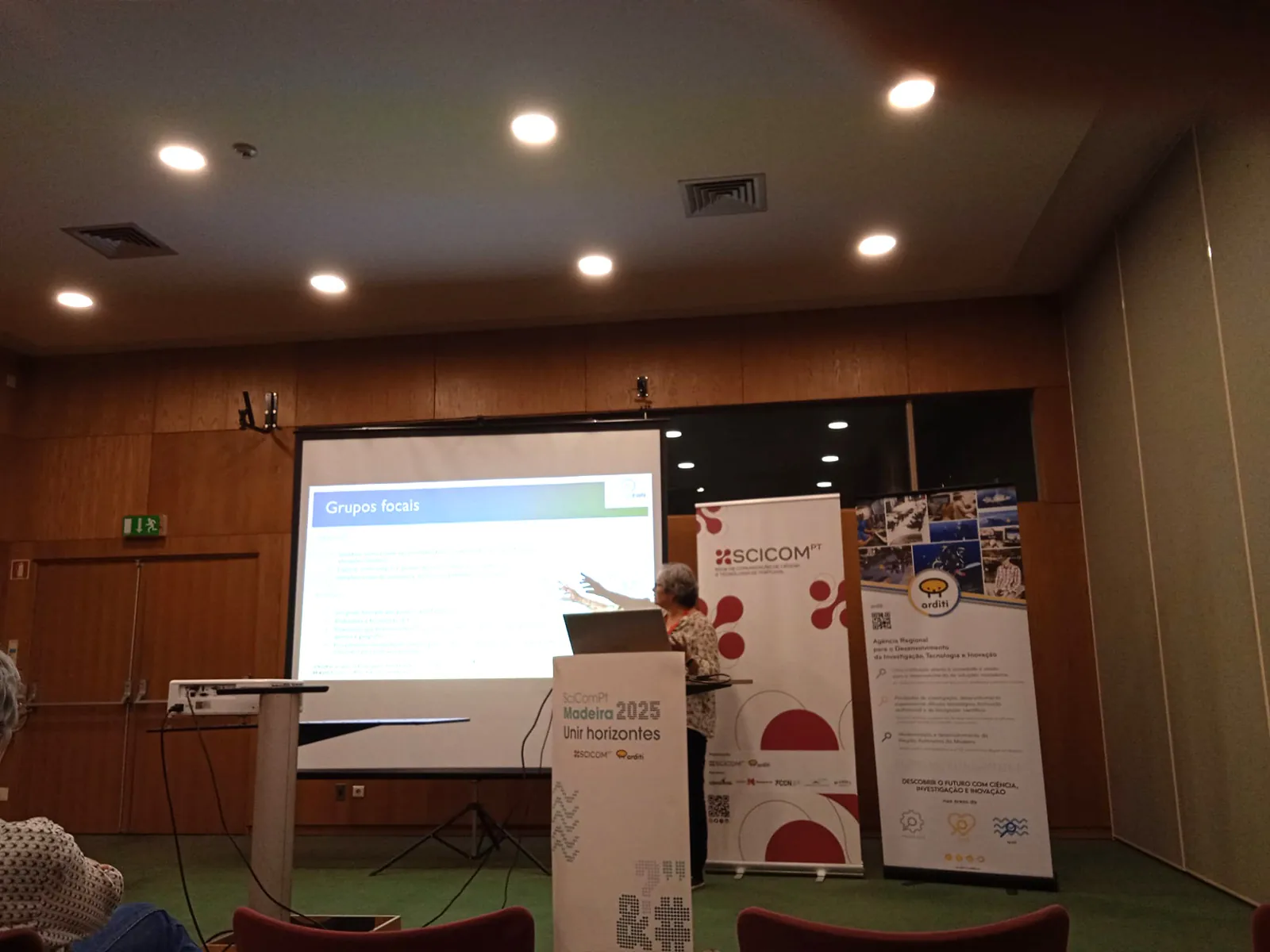
We conducted focus groups with teachers and teacher trainers in order to ask the participants about their views on the best ways to address fake news about climate in the classroom. Focus groups provide an important method for gathering detailed qualitative data, capturing a diversity of perspectives and experiences.
- Objective 1: how and where fake news and climate change topics are addressed in class.
- Objective 2: the best opportunities for implementing citizen science in educational contexts.
- Objective 3: to know what teachers think are the most effective and useful educational activities on climate change and fake news.
The focus groups meetings were held between June and July 2024 in each of the participating countries — Portugal, Spain, Greece and France. Each FG included 3 to 5 in-service teachers with 5 to 10 years of experience, covering subjects such as biology, geology, geography, physics, and chemistry, from 9th to 12th grade, as well as 2 to 3 teacher-trainers. In total, there were 27 participants.
Besides pointing out the best locations in the curricula in each country to address these issues, the meetings gave very valuable information for the implementation of our project. The focus groups results highlight the workload, the lack of time, resources and knowledge as the main barriers to promoting critical thinking and implementing a project on fake news in the classroom.
Solutions
2º Action - Curriculum Analysis
Climate change education plays a crucial role in fostering scientific literacy and preparing students to engage with sustainability challenges. Despite widespread awareness of climate change, there remains a gap between knowledge and action, highlighting the need for science education to develop critical thinking, problem-solving, and inquiry skills. Citizen science has emerged as a promising approach to integrating real-world scientific practices into formal education, engaging students in data collection, analysis, and collaborative learning. However, the feasibility of such initiatives depends on their alignment with school curricula. The alignment of citizen science projects with curricular contents is expected to increase the chance of teachers engaging with those and of using projects’ resources in their teaching practices. Several studies analysed European curricula and these highlight significant variability in how countries integrate scientific concepts, critical thinking, and socioscientific issues (Mavrikaki et al., 2024; Pessoa et al., 2025). However, none of these studies looked for the opportunities to explore citizen science projects related to climate change. With this study, we aim to contribute to overcoming this knowledge gap, identifying which curricular contents in four European countries are aligned with citizen science projects on climate change.
We performed a content analysis of these curricula, with categories developed based on the literature. Categories 1, 2 and 3 were based on the proposal of Rieckman (2018) and PISA 2025 dimensions of scientific literacy (OECD, 2023) for essential learning goals for students to develop key competencies to address climate change.
- Category 1 is relative to content knowledge relative to climate change.
- Categories 2 and 3 address, respectively, socio-emotional and behavioral learning goals relative to climate change.
- Categories 4 and 5 address learning goals relative to procedural and epistemic knowledge respectively, two important dimensions of scientific literacy (OECD, 2023).
Preliminary results
1º Action - Kick off meeting of SchoolFaN project
Participants
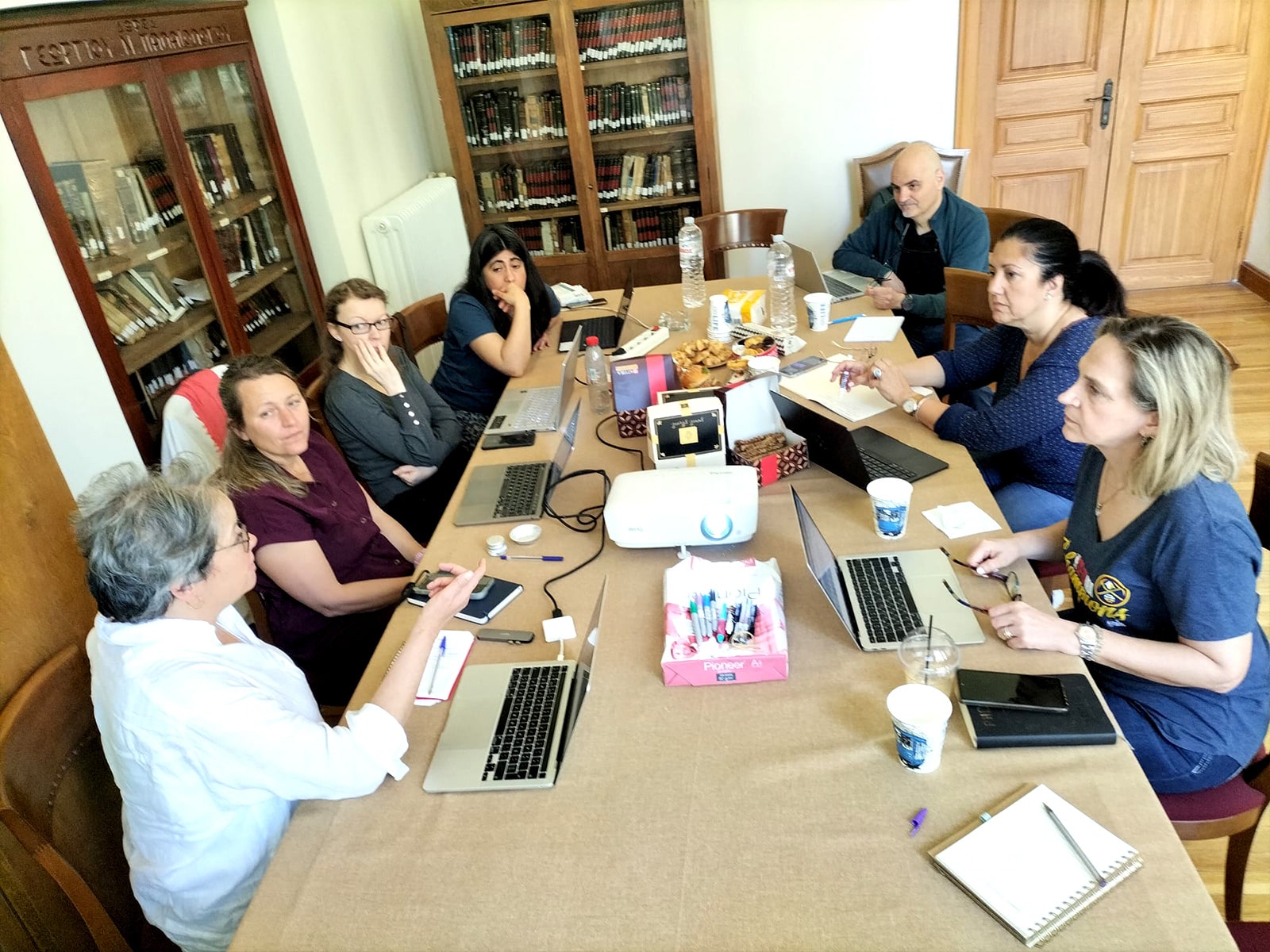
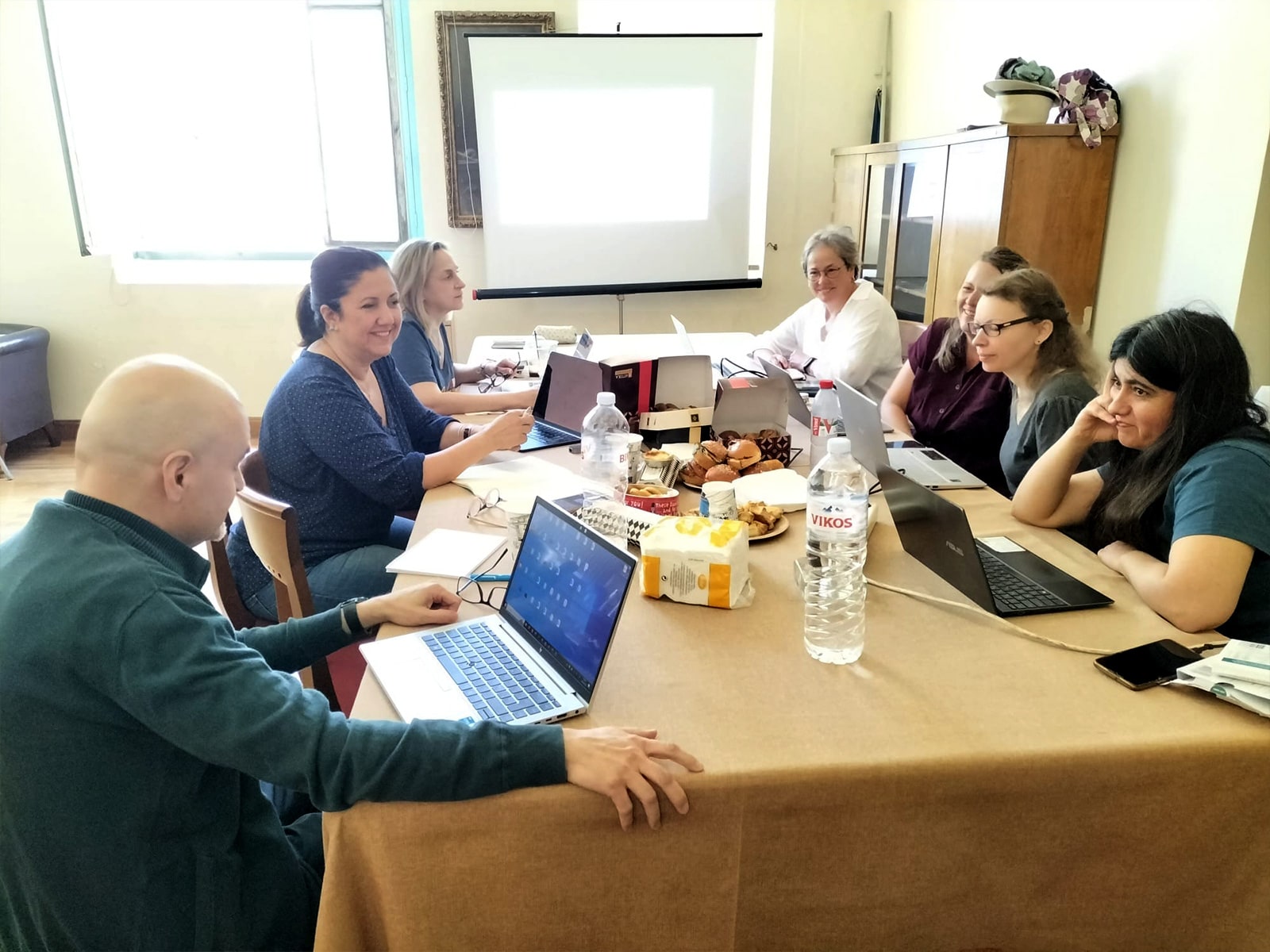
Lead partners met to discuss the work already done and to focus on planning for the coming months.
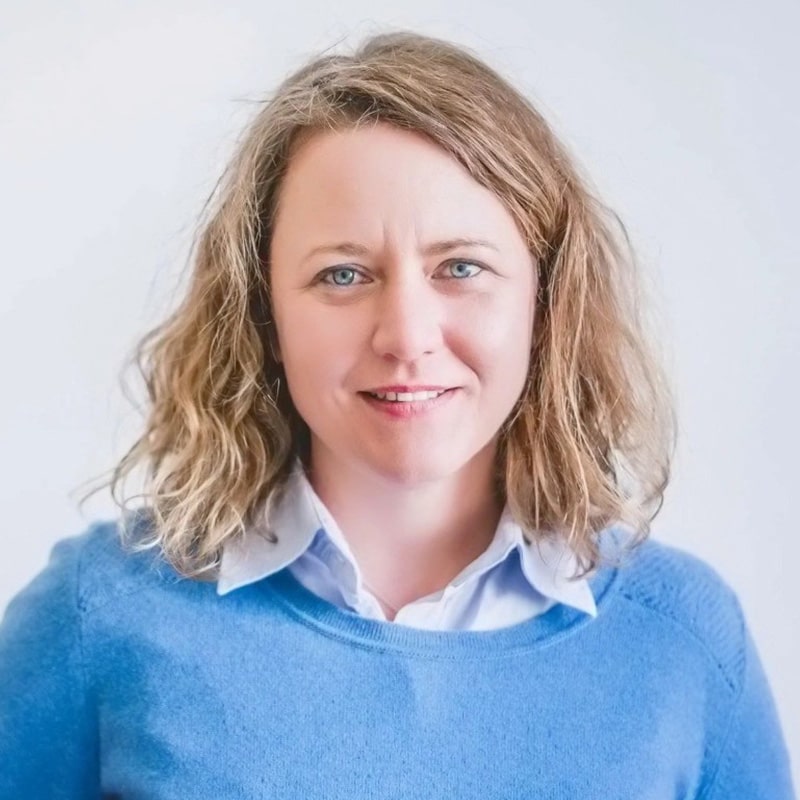
Tania Jenkins
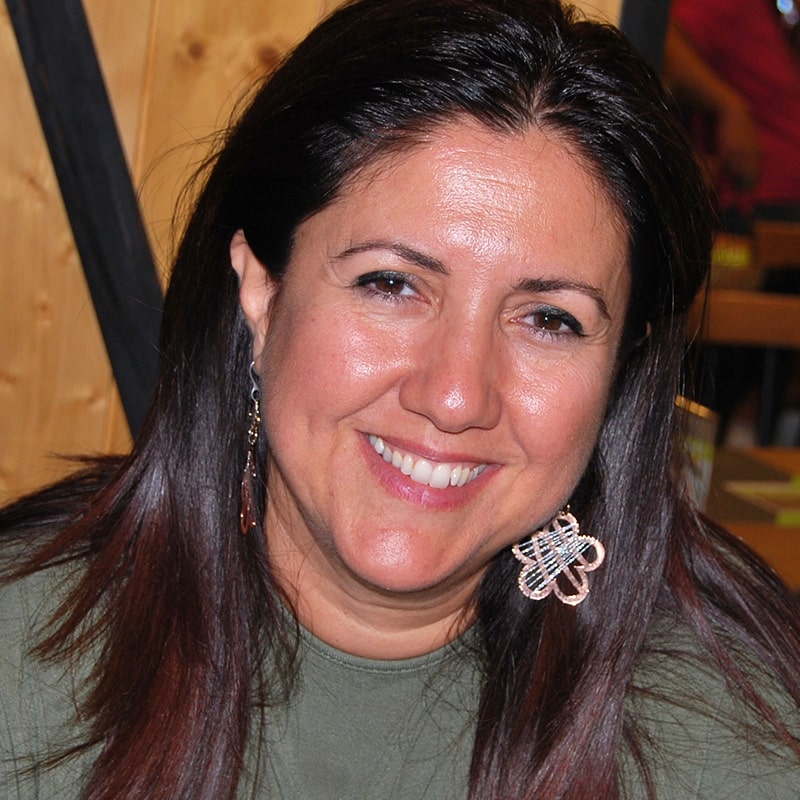
Evangelia Mavrikaki
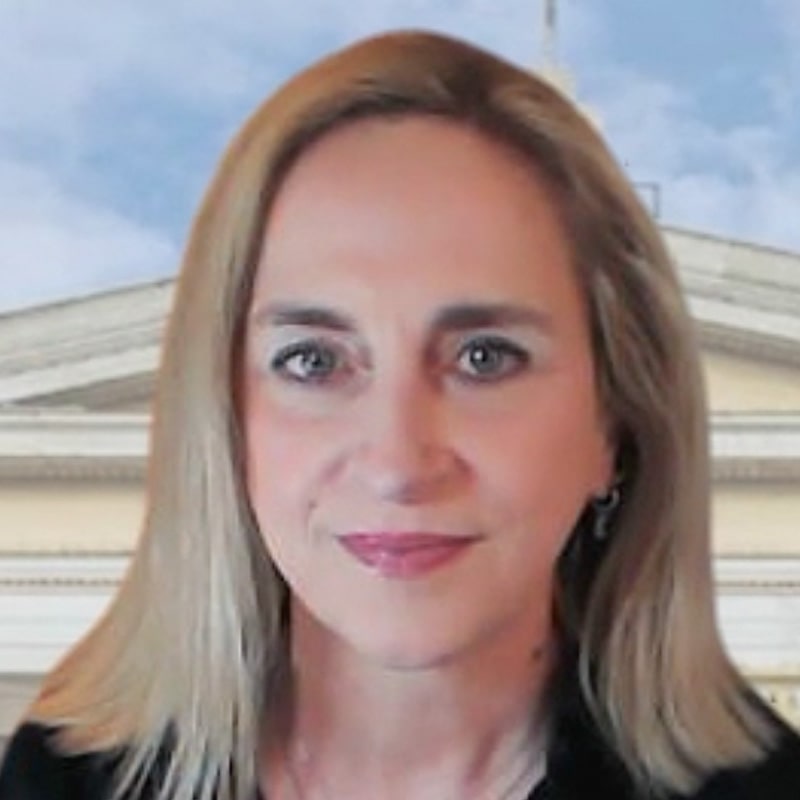
Apostolia Galani
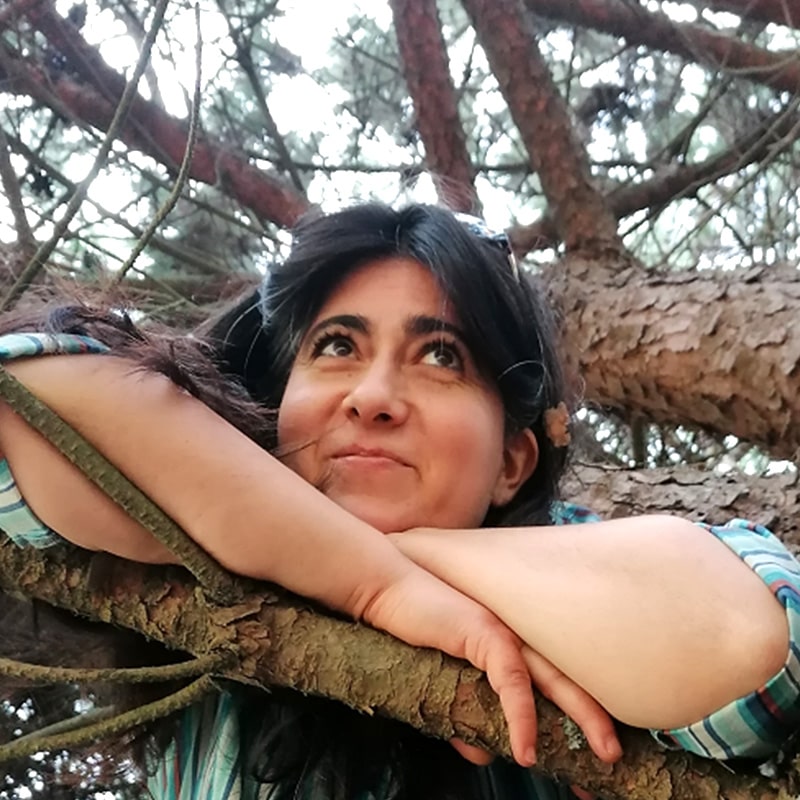
Xana Sá-Pinto
Héloïse Dufour
Rita Ponce

Antonio García-Jiménez
We started off the meeting to build on a Theory of Change in order to see the links between our outputs, desired outcomes and impact and to create pathways to achieve the project goals. This has fed into the quality assurance plan (WP1).
We worked on the protocol and strategy to implement the focus groups with teachers to identify entry points into the school curricula in the four countries (WP2). We also discussed the curriculum analysis framework that we will apply to national natural science curricula.
We started to discuss the design of the educational resources as well as implementation as a citizen science project. We also discussed the issue of scalability of the project and future funding options (WP4).
Finally, we discussed and approved the first draft of the Dissemination and Exploitation plan and gave feedback on the logo (WP5).
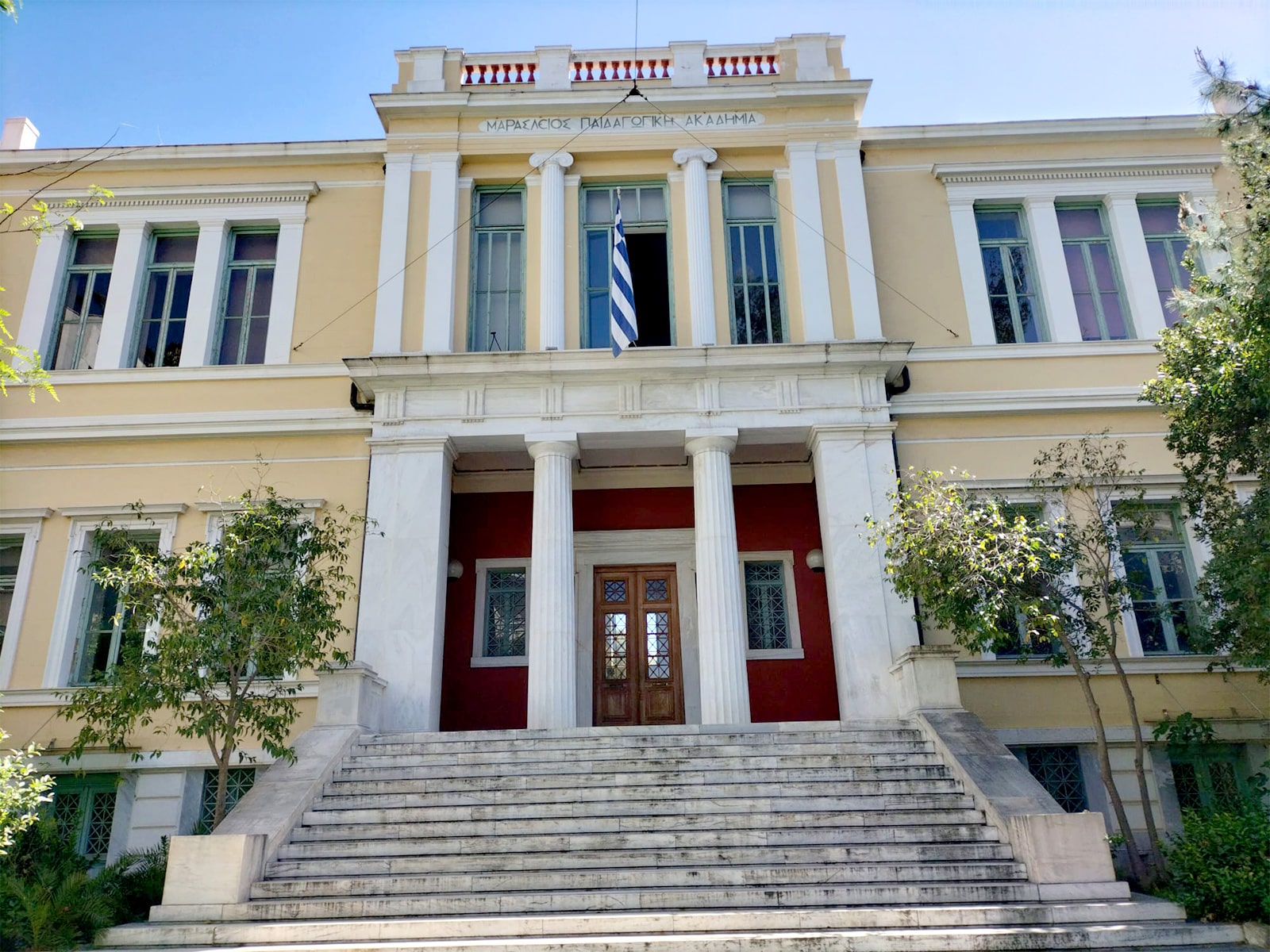
When the team was not hard at work we enjoyed soaking up the bustling Athens atmosphere and a trip to a nearby seaside suburb for dinner by the sea.